How to Choose the Right Composite Isolator for Your Needs?
Choosing the right Composite Isolator can significantly impact performance in various applications. These isolators play a crucial role in ensuring safety and efficiency. When you select a Composite Isolator, consider factors such as material, application environment, and electrical specifications.
The market offers a variety of products, but not all may suit your needs. For instance, while some isolators provide high durability, they may lack flexibility. Others might excel in electrical insulation but fall short in mechanical strength. Understanding the specific requirements of your application is vital.
When evaluating Composite Isolators, it's essential to consider expert recommendations and industry standards. This ensures that your choice is both reliable and effective. However, the complexity of options may lead to confusion. Often, users overlook critical features, which can result in suboptimal performance or increased costs. Engage with suppliers and seek detailed specifications to avoid common pitfalls.
Understanding Composite Isolators and Their Functionality
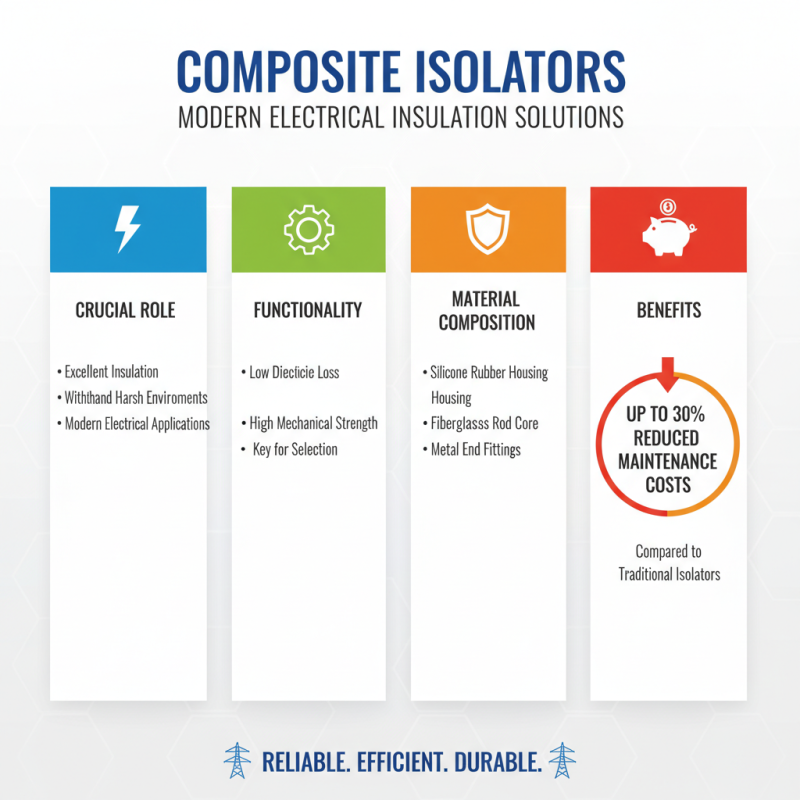
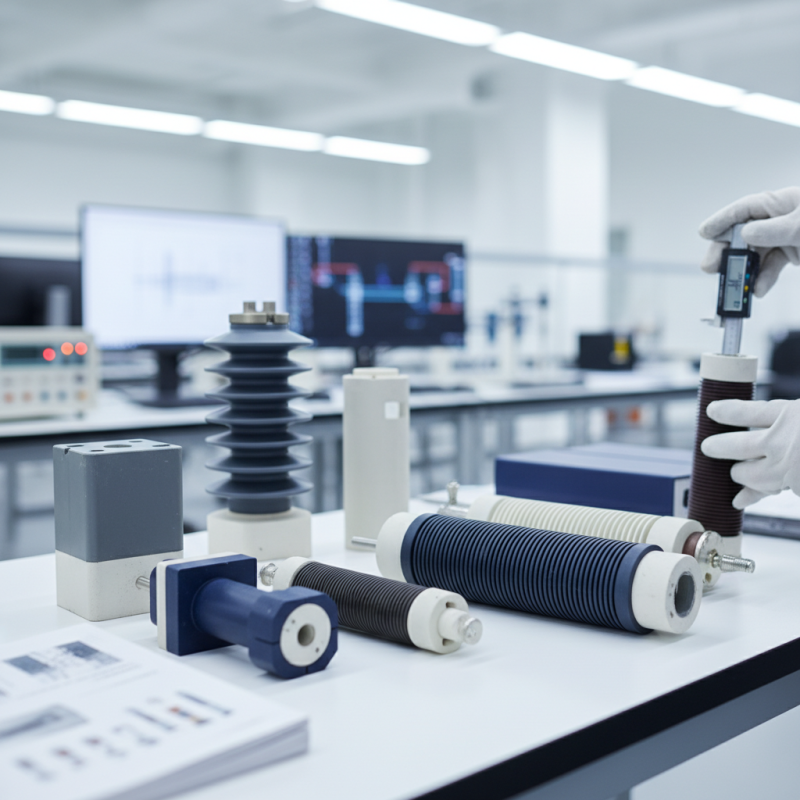
Composite isolators play a crucial role in modern electrical applications. They provide excellent insulation and can withstand harsh environmental conditions. Understanding their functionality is key when selecting the right isolator. These devices are typically made from composite materials that combine low dielectric loss and high mechanical strength. Studies indicate that composite insulators can reduce maintenance costs by up to 30% compared to traditional ones.
Choosing the right composite isolator involves considering various factors. One essential aspect is its voltage rating. Ensure that the isolator can handle the operational voltage of your system. Environmental factors, like UV exposure and temperature fluctuations, also matter. Opt for insulators designed to resist such conditions for improved longevity.
**Tips:**
Ensure you assess the potential challenges in your operating environment. Analyze the data from industry reports on failure rates. This reflection can guide you in choosing a durable option. Moreover, consider the lifecycle costs. A higher initial investment might offer better performance and lower costs over time.
Factors to Consider When Selecting Composite Isolators
When selecting composite isolators, several key factors must be considered. Material selection is crucial. Composite materials vary in strength, weight, and insulation properties. For instance, fiberglass-reinforced composites offer exceptional insulation and can handle high-voltage scenarios. Alternatively, epoxy-based composites provide higher thermal resistance, making them suitable for extreme environments.
Load-bearing capacity is another vital aspect. According to industry reports, choosing a composite isolator with inadequate load capacity can lead to failures. Assess the weight and forces that the isolator will experience in its application. A comprehensive understanding of these metrics could prevent premature breakdowns and ensure reliability.
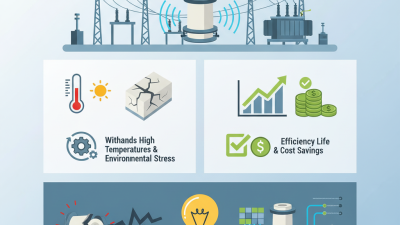
Environmental conditions also play a significant role. Isolators are exposed to various stressors, such as UV radiation and moisture. Polymeric composites often resist degradation better than traditional materials. Data indicates that neglecting these factors may lead to diminished performance and increased maintenance costs over time. Select isolators that meet specific environmental standards to enhance longevity. Always remember, a well-informed decision can significantly impact performance reliability and safety.
Assessing Voltage and Environmental Conditions for Isolators
When selecting a composite isolator, understanding voltage requirements is crucial. Different applications demand varying voltage levels. High-voltage environments require isolators that can withstand significant stress. Insulation properties play a key role here. Assess your requirements accurately to avoid future issues.
Environmental conditions also significantly influence your choice. Factors like temperature, humidity, and exposure to chemicals can affect performance. For instance, a humid environment may require materials resistant to moisture. Think about the installation location. Is it exposed to harsh weather or corrosive substances?
Tips: Always verify voltage ratings. Consult technical data sheets for specifications. Regularly assess the surrounding environment. Inspect for any signs of wear or damage. These steps ensure operational reliability over time. Remember, overlooking details now can lead to bigger problems later.
Comparing Material Properties and Mechanical Strength of Isolators
When selecting a composite isolator, understanding material properties and mechanical strength is crucial. Different materials exhibit varied tensile strength, flexibility, and resistance to environmental factors. For instance, studies show that epoxy-based composites often outperform polyester in tensile strength. In many applications, this translates to longer service life and lower maintenance costs.
Mechanical strength varies widely among isolators. Terms like compressive strength and flexural strength are fundamental. Recent industry reports indicate that certain composite materials can withstand compressive stresses of over 150 MPa. This level of strength is vital for isolators in high-stress environments, where failure could lead to significant operational risks.
Consider the specific conditions your isolators will experience. Factors such as temperature fluctuations and exposure to chemicals can drastically affect performance. A choice that seems ideal in controlled settings may not be suitable for harsh applications. This reflects the need for a thorough analysis of each scenario, rather than a blanket approach to selection. Additionally, consult reliable data sources to guide your decision. Overlooking the intricacies of mechanical properties can lead to setbacks.
How to Choose the Right Composite Isolator for Your Needs?
| Isolator Type |
Material Composition |
Mechanical Strength (MPa) |
Temperature Resistance (°C) |
Electrical Properties (kV/mm) |
| Type A |
Fiberglass Reinforced Polymer |
150 |
120 |
30 |
| Type B |
Epoxy Resin Composite |
160 |
150 |
35 |
| Type C |
Polypropylene |
100 |
100 |
25 |
| Type D |
Vinyl Ester Composite |
140 |
140 |
32 |
| Type E |
Thermoset Composite |
180 |
180 |
40 |
Evaluating Cost and Maintenance Requirements of Composite Isolators
When selecting composite isolators, cost and maintenance are pivotal factors. Composite materials often offer durability, but initial costs can vary significantly. Analyzing your budget is essential. It helps to outline long-term expenses, including installation and routine inspections. Some may overlook these hidden costs, leading to unexpected financial burdens down the line.
Maintenance requirements also play a crucial role. Composite isolators demand less maintenance than traditional options, resulting in lower long-term costs. However, this depends on the environment. Humidity and temperature fluctuations can affect performance. Do not ignore these aspects during selection. Regular assessments can prevent potential failures. A well-planned maintenance strategy can enhance the isolator's lifespan while ensuring safety.
Ultimately, both cost and maintenance are integral to your decision-making process. Each project has unique needs. Take the time to reflect on your specific requirements. Making an informed choice now can save you from future complications.