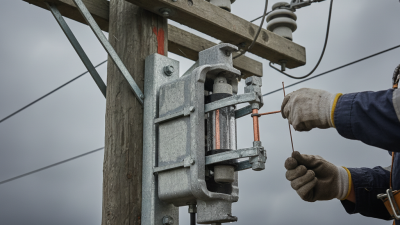
How to Use a Disc Composite Isolator Effectively?
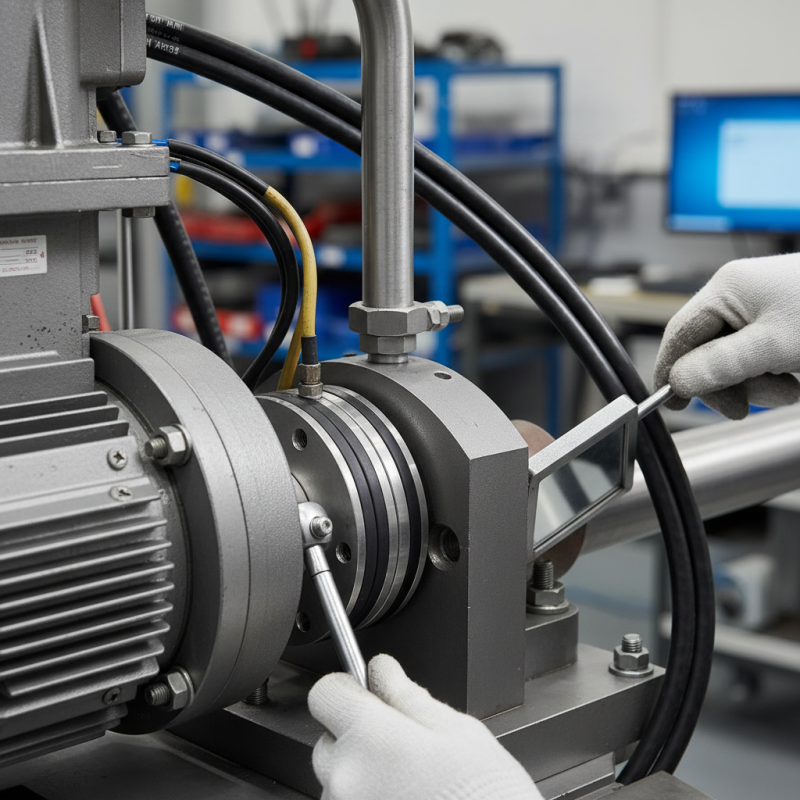
Understanding how to use a Disc Composite Isolator effectively can enhance performance in various applications. This device is essential for reducing vibrations and electrical noise in many systems. However, many users struggle to maximize its benefits.
When using a Disc Composite Isolator, proper installation is critical. Ensure that it is positioned correctly to avoid unintended stress. Additionally, regular maintenance is often overlooked. Taking the time to inspect components can prevent larger issues down the line.
It’s important to note that not all isolators are suitable for every application. Users must consider their specific needs carefully. Failure to do so may lead to inefficiencies. The Disc Composite Isolator is a powerful tool, but it requires thoughtful usage and consideration of details to achieve optimal results.
Understanding Disc Composite Isolators and Their Functionality
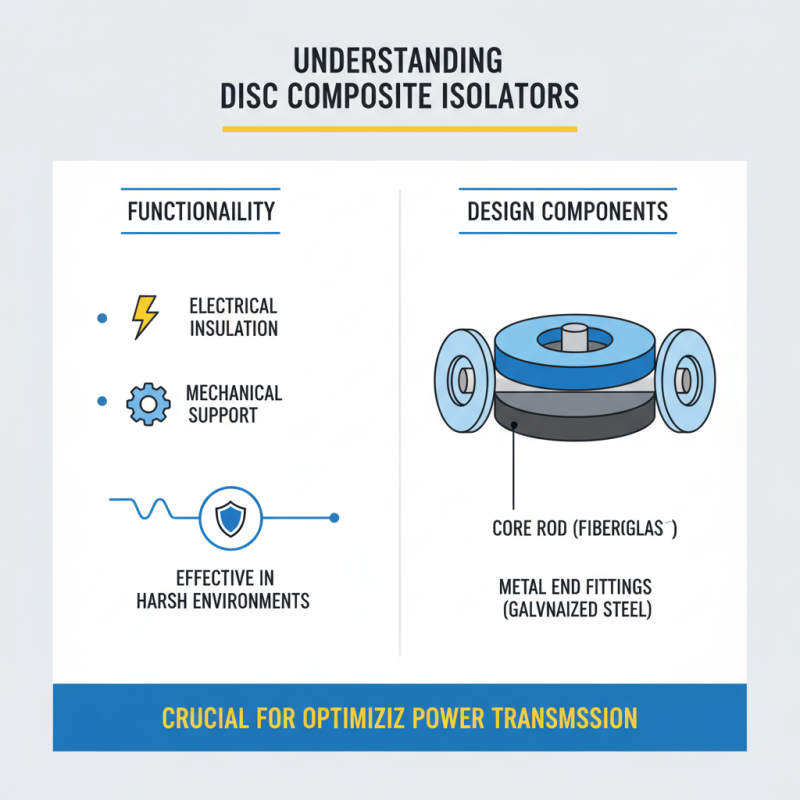
Disc composite isolators are essential in power transmission systems. They provide electrical insulation and mechanical support. Their design typically consists of multiple insulating materials, ensuring effective performance in harsh environments. Understanding their functionality is crucial to optimize their use.
These isolators can withstand high electrical voltages. Data from industry reports indicate they are effective up to 1,000 kV. However, maintaining them is vital for long-term efficiency. Environmental factors like moisture and pollution can affect performance. Regular inspections help identify potential problems early.
**Tip:** Ensure the installation area is clean and well-drained. This measure minimizes the risk of degradation.
The manufacturing quality of disc composite isolators plays a significant role. Not all products meet the same standards. Industry studies show that poorly manufactured isolators can fail under load. This emphasizes the need for choosing reputable suppliers.
**Tip:** Keep records of the isolator's performance over time. This information is invaluable for future maintenance decisions.
Investing in comprehensive training for personnel handling these isolators is often overlooked. Proper knowledge can avert costly mistakes. Reflecting on these aspects will enhance their effectiveness.
Key Factors to Consider Before Using Disc Composite Isolators
When considering the use of disc composite isolators, several key factors should guide your decision. The material composition is crucial. Modern disc composite materials can reduce energy losses by over 10%, according to recent industry studies. This improved performance hinges on the proper selection of components. Inadequate material choices can lead to increased maintenance costs and unwanted downtime.
Another critical aspect is the operational environment. Extreme temperatures, humidity, and exposure to chemicals can significantly affect isolator performance. Research indicates that up to 30% of isolator failures are linked to environmental degradation. Therefore, always assess your specific applications carefully. Understanding load requirements and dynamic behavior will further enhance performance.
Installation practices also play a role in effectiveness. Improper installation can negate the advantages of using high-quality isolators. Training crews on best practices can prevent damage during setup. Industry reports suggest that adhering to these guidelines can lower installation-related issues by nearly 15%. Reflecting on these factors before using disc composite isolators will lead to better operational outcomes, yet many professionals overlook these important details.
Step-by-Step Guide to Installing Disc Composite Isolators
Installing Disc Composite Isolators requires careful attention to detail. Begin by selecting the right isolator size for your application. Measure the area where you plan to install. A precise fit is crucial for optimal performance. Gather all necessary tools before starting. This preparation helps streamline the process.
Next, ensure the mounting surface is clean and free from debris. Dirt can interfere with adhesion. Position the isolator correctly, ensuring it aligns well with the intended load. Check the manufacturer’s guidelines for specific installation requirements. Sometimes, the instructions might seem vague or incomplete. It’s worth reviewing them multiple times.
When securing the isolators, don’t rush. Tighten screws or bolts evenly to avoid uneven pressure. An uneven setup can lead to unnecessary wear. After installation, test the system under normal conditions. Monitor for any unusual vibrations or noises. If issues arise, reassess your work. Adjustments may be needed for optimal functionality. Keeping an open mind during this phase is essential.
How to Use a Disc Composite Isolator Effectively? - Step-by-Step Guide to Installing Disc Composite Isolators
| Step |
Action |
Tools Needed |
Safety Precautions |
| 1 |
Identify installation site |
Measuring tape, marker |
Wear safety gloves |
| 2 |
Prepare mounting area |
Cleaning supplies |
Use eye protection |
| 3 |
Install disc composite isolators |
Wrench, sockets |
Ensure stable footing |
| 4 |
Test for proper function |
Multimeter |
Stand clear of moving parts |
| 5 |
Finalize installation |
Final inspection tools |
Check for sharp edges |
Best Practices for Maintenance and Inspection of Isolators
Maintaining a disc composite isolator is crucial for optimal performance. Regular inspections can prevent costly failures. According to industry reports, effective maintenance can increase the lifespan of isolators by up to 25%. Inspecting the isolators quarterly helps identify issues early. Look for signs of wear, such as cracks or discoloration. A thorough visual check is often enough to catch minor problems before they escalate.
Tips: Always keep a maintenance log. Document each inspection and repair. This provides valuable insight and helps track performance over time.
Inspect connections regularly. Loose connections can lead to increased vibration and stress on isolators. The industry standard recommends checking connections every three months. However, environmental conditions may require more frequent checks. Harsh weather can impact performance. When isolators are exposed to extreme temperatures, monitoring becomes even more critical.
Tips: Use thermal imaging tools during inspections. This can highlight overheating issues that are not visible to the naked eye. Addressing them early can prevent failure.
Adopting these practices not only enhances reliability but also ensures safety. In the long run, investing time in proper maintenance pays off significantly.
Common Issues and Troubleshooting Tips for Effective Use
Using a disc composite isolator can bring significant benefits. However, it’s essential to address common issues for effective use. One common problem is improper installation. Ensure that the isolator is aligned correctly. Misalignment can lead to increased wear and tear.
Another issue is insufficient maintenance. Regular inspections help identify wear patterns early. Check for any signs of degradation or cracks. Using a lubricant as recommended can prevent unnecessary friction. Users often overlook these details, which can lead to failures.
Lastly, environmental factors play a critical role. Excessive exposure to moisture may cause damage. Take precautions in humid conditions. Ensure proper drainage and ventilation. Even minor adjustments can significantly improve the isolator's performance. Remember, every detail matters in achieving optimal results.
How to Use a Disc Composite Isolator Effectively?
This chart illustrates the effectiveness rating of various key factors in using a Disc Composite Isolator. Proper installation and regular inspection are critical for optimal performance, while factors such as material quality and environmental conditions also play a significant role.