Why Low Voltage Solutions are Essential for Modern Electronics?
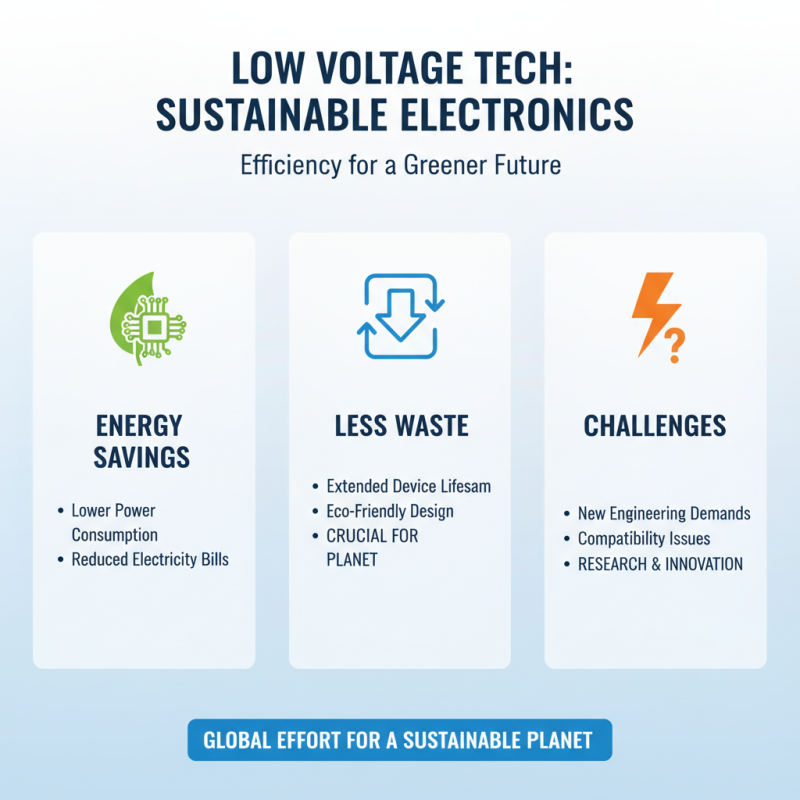
In today's electronics landscape, "Low Voltage" solutions have become increasingly essential. A report by MarketsandMarkets states that the low voltage equipment market is projected to reach $250 billion by 2026. This growth reflects a significant shift towards energy efficiency and sustainability. As consumer demand rises, manufacturers must adapt to modern requirements.
Low voltage systems ensure devices operate within safe voltage limits. They reduce energy waste while increasing operational efficiency. For instance, LED lighting systems, which operate under low voltage, use up to 80% less energy than traditional lighting. However, not all designers prioritize low voltage in their projects. This oversight can lead to energy inefficiencies and increased operational costs.
The integration of low voltage technologies promotes innovation. It can enhance smart home devices, electric vehicles, and renewable energy systems. Yet, the challenge lies in consistent implementation across various sectors. Companies must invest in research to optimize low voltage applications. Failing to do so risks lagging behind competitors who embrace the benefits of this essential technology.
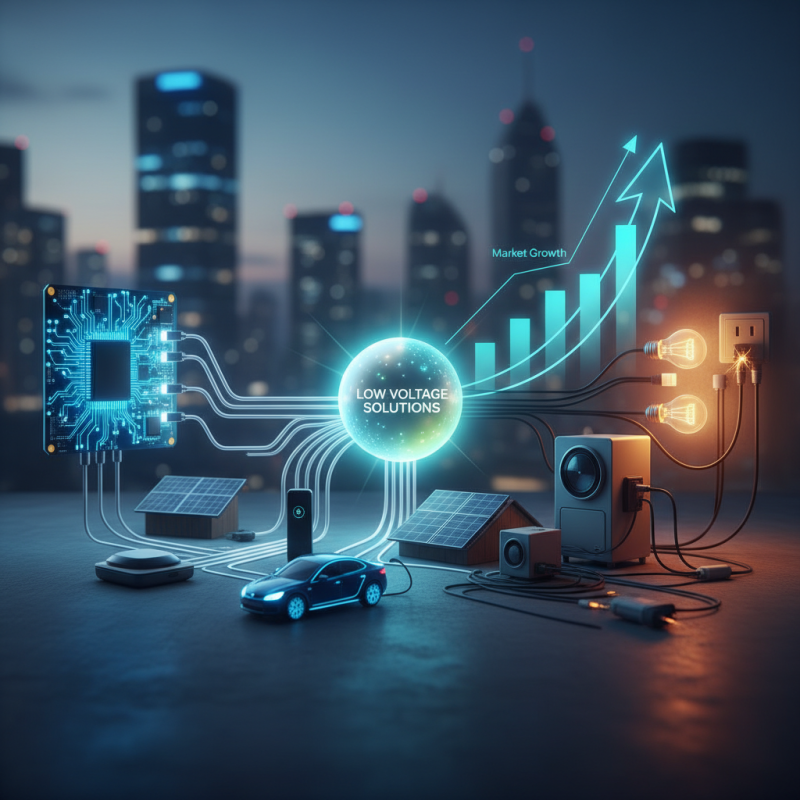
The Importance of Low Voltage Solutions in Modern Electronics
In today's fast-paced tech landscape, low voltage solutions are more crucial than ever. With a growing demand for energy efficiency, the percentage of devices operating under 50 volts is increasing. According to a recent industry report, 80% of consumer electronics now rely on low voltage systems. These systems draw less energy, which translates to lower power consumption and extended battery life.
The importance of low voltage solutions extends beyond just energy savings. They foster innovation in compact device design. Smaller components allow for sleeker devices, which consumers increasingly prefer. In fact, the market for low voltage applications is expected to grow annually by 10% over the next five years. Industry experts underline that this shift is driving manufacturers to rethink their designs and rethink energy efficiency strategies.
However, challenges remain. The integration of low voltage systems can lead to issues in reliability and performance. Many devices could face operational instability under certain conditions. There’s a continuous need for refinement in both design and implementation. Striking a balance between lower voltage and higher performance can be tricky. As technology evolves, addressing these challenges becomes imperative for the sustainable advancement of modern electronics.
Importance of Low Voltage Solutions in Modern Electronics
Low voltage solutions play a critical role in the efficiency and performance of modern electronic devices. The following chart illustrates the application areas of low voltage solutions and their significance.
Understanding Low Voltage Technologies and Their Benefits
Low voltage technologies have become crucial in modern electronics. They are widely used in various applications, from consumer electronics to industrial systems. According to a recent report by the International Electrotechnical Commission, the global low voltage market is projected to grow by over 8% annually through 2027.
These solutions help reduce power consumption significantly. Devices operating at lower voltage levels can maximize efficiency. For instance, energy-efficient LED lighting systems rely on low voltage. It is estimated that they consume approximately 75% less energy than traditional bulbs. This not only lowers electricity bills but also contributes to sustainability goals.
However, there are challenges in implementing low voltage systems. While they offer advantages, some components may underperform under certain conditions. Designers sometimes overlook compatibility issues. There’s a learning curve involved in adopting these technologies. Organizations need to invest time and resources into training. Balancing innovation with practicality is often harder than anticipated. Overall, low voltage solutions are essential but require careful consideration in deployment.
Key Applications of Low Voltage Solutions in Consumer Electronics
Low voltage solutions are becoming increasingly vital in consumer electronics. They allow devices to function efficiently while using less energy. This shift is evident in smartphones, tablets, and wearables. These devices rely on low voltage components to extend battery life. With smaller batteries, users demand longer usage times. Low voltage solutions meet this expectation.
Another key application is in smart home devices. These gadgets often operate on low power to enable constant connectivity. For instance, sensors in smart thermostats or security cameras require minimal energy. However, this can lead to performance trade-offs. Sometimes, the devices struggle to maintain connectivity in low power modes. This creates a need for continual improvement in low voltage technology.
Moreover, low voltage solutions are critical in electric vehicles. They contribute to better energy management and efficiency. However, designers face challenges in integrating these solutions effectively. Balancing power needs with size constraints can be tough. Finding the right components often depends on trial and error. While progress continues, there are still hurdles to overcome. Innovations in low voltage technology will shape the future of our devices.
Comparative Analysis: Low Voltage vs. Traditional Voltage Systems
Low voltage systems are revolutionizing modern electronics. They provide adequate power while being energy-efficient. This type of system produces less heat, ensuring components last longer. Reduced heat also leads to a lower risk of damage. Designers prefer low voltage solutions for these reasons.
In contrast, traditional voltage systems often lead to increased energy consumption. They require larger components, which can take up more space. This can complicate product design and negatively impact performance. For instance, a device with high voltage can generate excessive heat. This heat could potentially cause failure over time. Low voltage systems address these issues effectively.
However, not all low voltage solutions fit every application. Developers must evaluate the specific needs of their projects. Missteps in choosing voltage levels can lead to inefficiencies. Sometimes, there’s a temptation to stick with traditional systems due to familiarity. This can hinder innovation and progress in electronics. It's crucial to weigh the benefits against the challenges.
Why Low Voltage Solutions are Essential for Modern Electronics? - Comparative Analysis: Low Voltage vs. Traditional Voltage Systems
| Feature |
Low Voltage Systems |
Traditional Voltage Systems |
| Voltage Range |
Up to 48V |
100V and above |
| Energy Efficiency |
Higher due to lower losses |
Generally lower efficiency |
| Safety |
Less risk of electric shock |
Higher risk involved |
| Component Size |
Smaller components |
Larger components required |
| Cost |
Lower initial investment |
Higher initial costs |
| Applications |
Consumer electronics, IoT devices |
Industrial machinery, high power systems |